MortgageMastermind helps you compare rates, understand your options, and secure the best home financing—without confusion or hidden surprises.
Get instant wholesale rates from multiple lenders. Live pricing updated 24/7—no credit pull, no contact info required. See real-time rates from Freedom, PennyMac, and UWM.
Disclaimer: The rates shown above are estimates for informational purposes only and are subject to change without notice based on market conditions, credit score, loan amount, property type, and down payment. This is not a commitment to lend. Contact a licensed loan officer for a customized quote and official loan estimate.
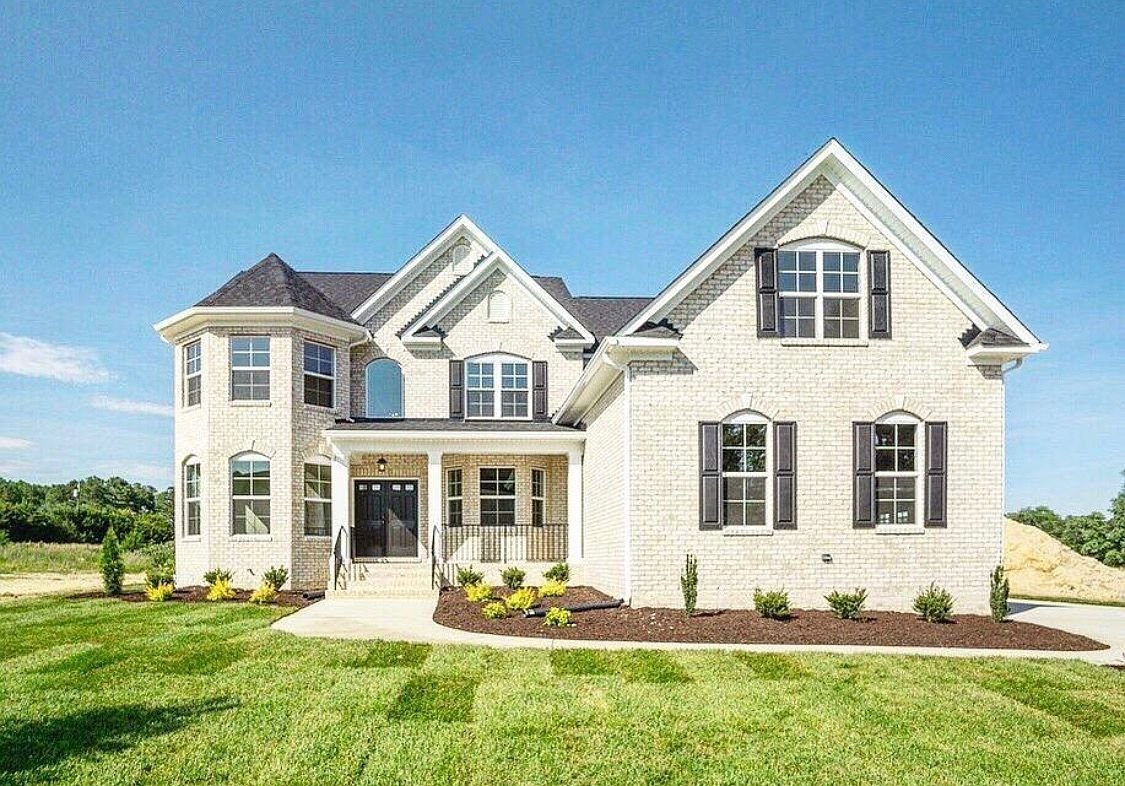
At Mortgage Mastermind, we believe getting a mortgage shouldn’t feel confusing or overwhelming. Our approach is built on strategy, clarity, and results—so you can make informed decisions that align with your financial goals.Whether you’re buying your first home, refinancing, or investing in real estate, we provide expert-level guidance every step of the way.
CHECK TODAY'S RATE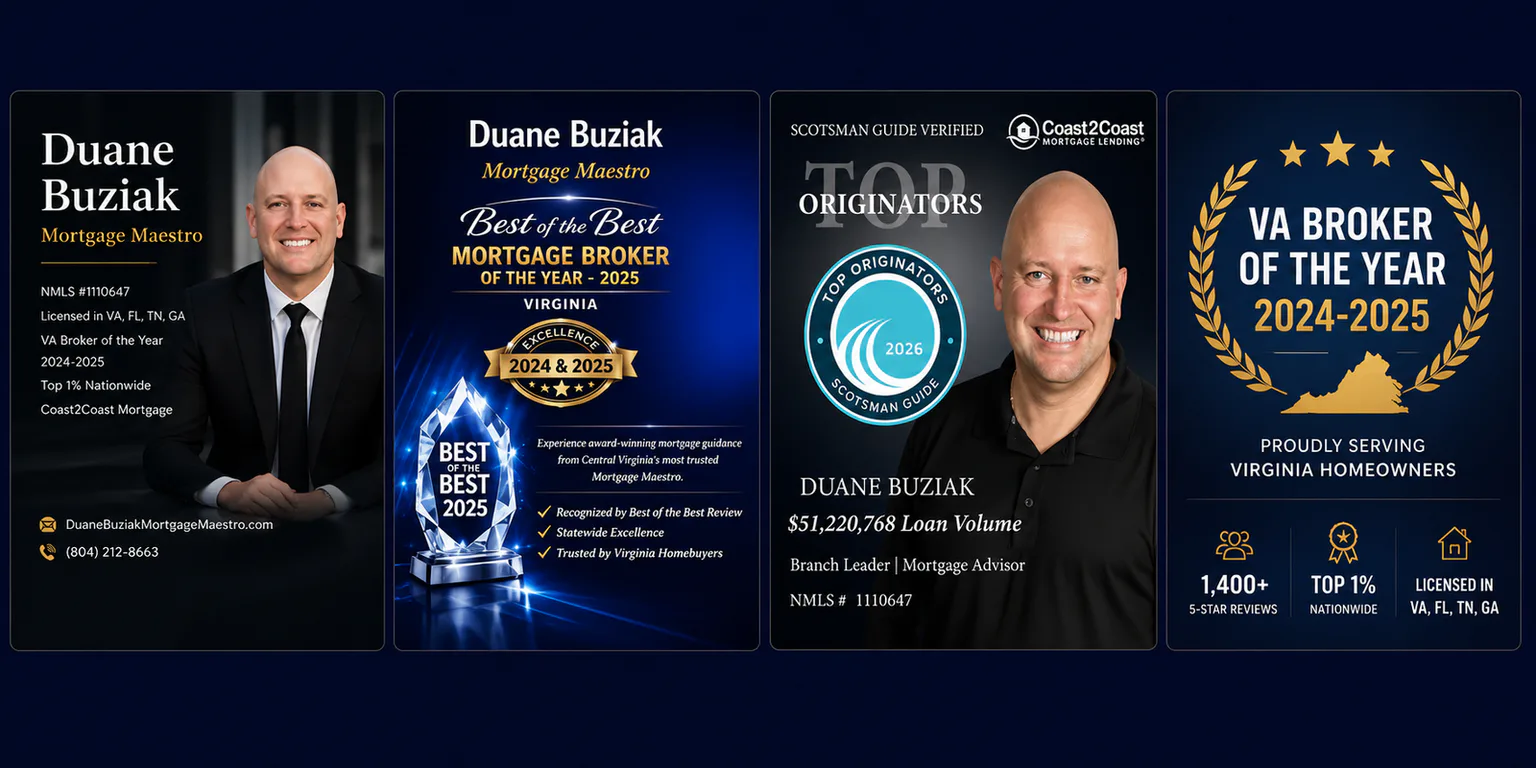
We take a concierge-style approach — offering curated mortgage strategies that align with your financial goals, long-term plans, and lifestyle aspirations.
Trusted by homebuyers, investors, and homeowners nationwide.
To competitive and private-rate programs
every step of the way We believe your mortgage should be as refined as your vision for home.

Tailored mortgage solutions designed just for you.
Mortgage solutions designed to match your goals.
Leverage our lender network to get competitive rates and flexible solutions.
We compare lenders so you save right away
See mortgage options customized for you with a free, no-obligation pre-qualification.
Your Mortgage, Your Plan. Customized strategies to match your budget and goals.
Case by case, scenario by scenario
including saving $2000 on average with a National Title Company that covers all aspects of the title and closing anywhere in the country
Your Home, Our Expertise —
The Mortgage Partner
You Can Trust

To provide exceptional service to clients by offering a wide range of mortgage products and services, while maintaining the highest level of integrity and professionalism.
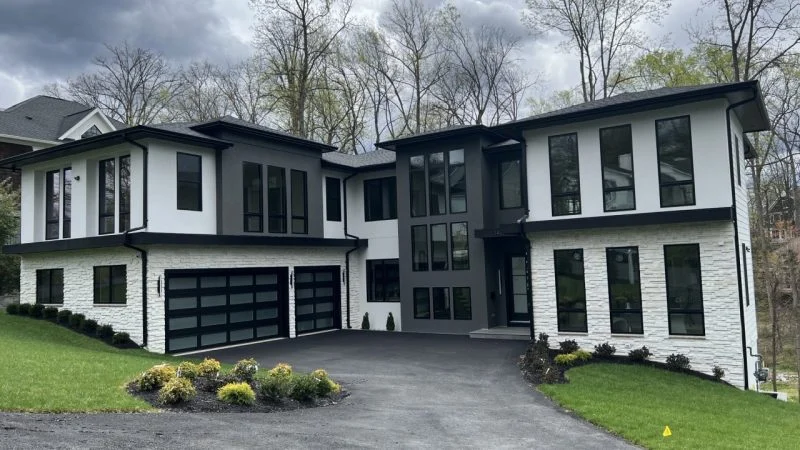
At Mortgage Mastermind, we work with homebuyers, homeowners, and real estate investors across Virginia, Florida, Tennessee, and Georgia. Whether you’re buying your first home, refinancing, or building an investment portfolio, we bring the same strategic, hands-on approach to every market we serve.
We hold active licenses in all four states and maintain deep knowledge of the local real estate trends, lender landscape, and financing opportunities in each region:
* Virginia — Richmond, Short Pump, Glen Allen, Henrico, Midlothian, Chesterfield, Charlottesville, Fredericksburg, Hampton Roads, and Northern VA
* Florida — Orlando, Tampa, Jacksonville, Miami, and statewide
* Tennessee — Nashville and statewide
* Georgia — Atlanta and statewide
Our goal is simple: help you secure the right mortgage — with competitive pricing, fast turn times, and expert guidance — no matter where you’re buying.
Can be highly advantageous because it is a more inclusive and modern model that may help you qualify for a loan even if you have a limited credit history or are just starting out.
Unlike older models, VantageScore 4.0 uses trended credit data and alternative payment histories to give a more complete picture of your financial responsibility
Acquire your home with confidence and clarity. We guide you through a high-end, seamless lending process from qualification to closing.
Luxury properties, investment portfolios, second homes, and complex financial scenarios handled with expertise
Special loan options with zero down payment for eligible rural homebuyers.
Reduce your monthly payments or unlock your home’s equity.
Bundle improvements with your mortgage for easy funding.
Smart financing solutions for investors and business owners.
Finding the right mortgage doesn’t have to be complicated. We simplify the process by giving you the tools to compare rates, explore tailored options, and connect with trusted lenders—so you can confidently secure the best financing for your home.
Our Mortgage service

Home buying is one of the most significant financial and personal decisions in life It involves.

Calculators are essential tools designed to perform mathematical operations quickly and accurately.

A Home Equity Line of Credit (HELOC) is a flexible loan that allows homeowners to borrow against the equity.

Refinancing is the process of replacing your existing loan with a new one, typically to secure.
Discover your loan options and true buying power with our NoTouch Credit System . We get you pre-approved without a single credit hit.
With our Free NoTouch Credit service, you can instantly see where your credit stands—without triggering a hard inquiry or lowering your score. Traditional credit checks often leave a mark that lenders can see, but our process uses a soft pull—completely safe, private, and impact-free.

Find out how to get prequalified for a mortgage without affecting your credit score, and what benefits it offers.
Mortgage Mastermind is a mortgage-focused platform dedicated to helping homebuyers and homeowners explore smart financing solutions, compare loan options, and navigate the mortgage process with confidence.
We provide a variety of home financing solutions including:
Getting pre-approved is simple. You can complete an online application, submit basic financial information, and receive guidance about your home buying budget and financing options.
Yes. We work closely with first-time home buyers to simplify the mortgage process, explain loan options clearly, and help clients move toward homeownership with confidence.
Credit score requirements vary depending on the loan program. FHA loans may allow lower credit scores, while conventional loans generally require stronger credit profiles. Our team helps borrowers explore the best available options.
Duane Buziak is a licensed mortgage broker in Virginia, Florida, Tennessee, and Georgia. He operates through Coast2Coast Mortgage LLC (NMLS #376205) and holds personal NMLS license #1110647. Clients can call or text (804) 212-8663 or schedule online at calendly.com/duane-buziak-15-min-call.
Yes, we’re part of a broader network. You can also explore Powerhouse Mortgages and The Mortgage Ally for additional loan officer support.
Yes — Loan Estimate Optimizer walks you through your rate, fees, and closing costs in plain language, at no cost.
Lower.com originates loans through PowerTPO in the wholesale channel. As an independent broker, Duane Buziak has direct access to PowerTPO’s underwriting team and pricing — giving borrowers a way to work with the same execution without going through Lower.com’s retail structure.
Questions about mortgages? We’ve made it easy—here are the answers to what people ask most.
Join our satisfied clients.
 Posted on Google
 Wayne Jackson
Trustindex verifies that the original source of the review is Google.
Working with Duane Buziak was honestly one of the best experiences we’ve had buying a home. He’s a trusted mortgage loan officer in Virginia who made the entire stress free home loan process in Virginia simple and easy to understand. He helped us secure a low rate mortgage with fast approval and great communication throughout the process.Posted on Google Girisha SaWorking with Duane Buziak was honestly a great experience. He made the whole mortgage process feel easy and stress-free, and always took the time to answer our questions. He helped us get a low-rate mortgage with fast approval, and his communication was amazing from start to finish. If you need a trusted mortgage loan officer in Virginia, I’d definitely recommend Duane.Posted on Google
 Phil SpringerWorking with Duane Buziak was a great experience. He’s a trusted mortgage loan officer in Virginia who made the home loan process smooth and stress free. He helped us secure a low rate mortgage with fast approval and great communication. Highly recommend if you’re looking for the best mortgage rates in VirginiaPosted on Google
 Carlos HuppHe made the mortgage pre-approval and closing process simple and was always quick to respond.Posted on Google
 Pierre CannonWorking with Duane Buziak was honestly such a great experience. The whole process felt like a stress-free home loan process in Virginia, and we got a low-rate mortgage with competitive interest rates.Posted on Google
 Jacob PoullathDuane was the best. He worked with us all the way up until the end late nights and early morning. He gives updates and responds asap. He helped us when the seller was dragging feet and turning in paperwork after hours making the whole process a lot less stressful. Duane is the manPosted on Google
 Peter ReesDuane Buziak is a true Mortgage Maestro! This was one of those real stories from first-time homebuyers in Richmond. complete stress free home loan process in Virginia. He delivered a low rate home loan tailored for you with fast and simple mortgage approval. We closed in under 4 weeks! No surprise he’s a word of mouth trusted mortgage expert in Virginia with referrals from satisfied home loan clients. If you want help finding the best mortgage rate in Virginia, Duane is the one you can trust.Posted on Google
 Seo plusI had an amazing experience working with Duane Buziak at Mortgage MaestroPosted on Google
 deborah van nessDuane was awesome and very patient with me. I never knew how stressful buying a home could be and I don’t do stress very well. Duane would assure me everything was on track and everything was going well. So, when I would feel stressed out all I have do get in touch with Duane he was always make me feel better. Thanks for everything!!!!!Verified by TrustindexTrustindex verified badge is the Universal Symbol of Trust. Only the greatest companies can get the verified badge who has a review score above 4.5, based on customer reviews over the past 12 months. Read more

Mortgage Maestro | NMLS #1110647
Coast2Coast Mortgage LLC | mortgage mastermind
Licensed in: VA, FL, TN, GA, DC, NC, SC, MD
Explore official ratings and verified listings from leading business directories.
Operated by Duane Buziak Mortgage Maestro, Coast2Coast Mortgage, LLC NMLS: 376205 / Duane Buziak NMLS#1110647 / NMLS Consumer Access / Legal Disclaimer – “Equal Housing Lender” This information is not intended to be an indication of loan qualification, loan approval or commitment to lend.
⭐ Preferred Sources (Get Our Updates on Google)
Add to Preferred Sources